Summary: CFD trading means trading a Contract for Difference, an agreement to exchange the price change of an asset without owning it. You can go long or short on indices, forex, commodities, shares and crypto with leverage, but that leverage cuts both ways and most retail CFD accounts lose money. CFDs are also banned in the United States. This guide explains what CFD trading is, how it works, its costs and risks, and why many serious traders prefer exchange-traded futures, which you can trade with funded capital through Phidias Propfirm.
CFDs are one of the most popular ways to trade markets outside the United States, but they are widely misunderstood. Here is a clear, honest explanation of what CFD trading is, how it works, and where it fits, or does not, for a serious trader.
What is CFD trading?
CFD stands for Contract for Difference. It is an agreement between you and a broker to exchange the difference in an asset’s price between the time you open and close the trade. You never own the underlying asset, you simply profit or lose based on its price movement. Because you can go long or short, CFDs let you speculate on prices rising or falling across many markets from a single account.
How does CFD trading work?
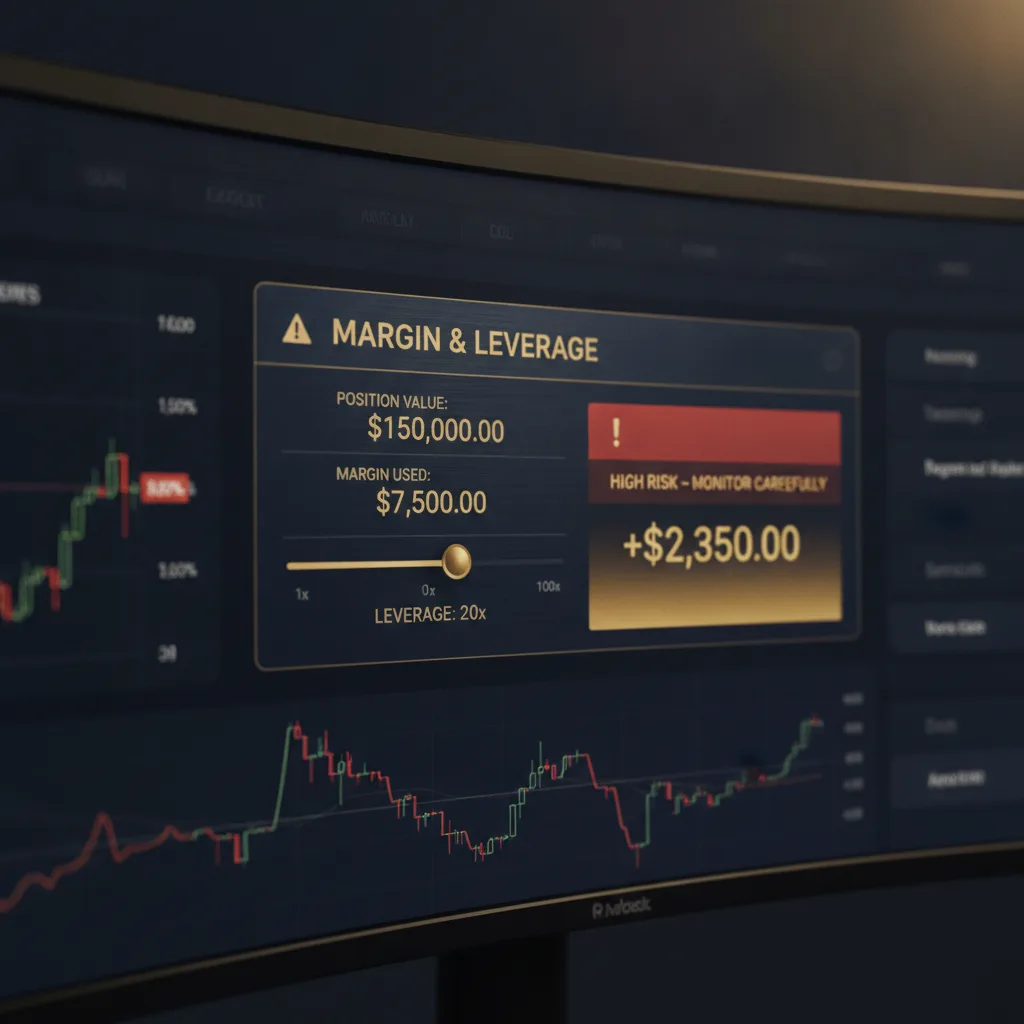
A few mechanics define CFDs. You trade on margin, putting down a fraction of the position’s value while the broker effectively lends you the rest, which is leverage. Your profit or loss is the price change multiplied by your position size. You pay the spread to enter, and if you hold overnight you usually pay a financing charge. Because there is no ownership, CFDs are flexible and fast, but the leverage means a small adverse move can produce a large loss relative to your margin.
What markets can you trade as CFDs?
CFD brokers typically offer index CFDs like the S&P 500 or Nasdaq, forex pairs, commodities such as gold and oil, individual shares, and cryptocurrencies. This breadth is part of the appeal: one account, many markets. The trade-off is that you are trading a broker-created contract, not a centrally cleared exchange product, so pricing and conditions depend on your broker.
The costs and risks you must understand
CFD costs include the spread, overnight financing on held positions, and sometimes commissions on share CFDs. The bigger issue is risk: regulators require CFD brokers to disclose the share of losing retail accounts, and those figures are consistently high, often around 70 to 80 percent. Leverage is the main culprit. Used carelessly, it magnifies losses and can trigger margin calls. As with any leveraged product, strict risk control is the difference between survival and a blown account.
Is CFD trading legal?
CFDs are legal and regulated in many regions, including the UK, Europe and Australia, but they are banned for retail traders in the United States. American traders who want leveraged access to indices, commodities and currencies typically use regulated futures instead, which trade on centralized exchanges with transparent pricing. For a full breakdown, see our guide on whether CFD trading is legal and what a CFD trading account is.
Futures: the exchange-traded alternative
Many serious traders prefer futures over CFDs for the same exposure with more transparency. Futures trade on regulated exchanges, offer deep liquidity and standardized contracts, and are legal in the US. Crucially, futures are the market where funded prop accounts thrive. With Phidias Propfirm, you can trade index, energy and metal futures using the firm’s capital instead of risking your own, keeping up to 100% of the profit.
Take action with Phidias Propfirm
If you want leveraged access to global markets with exchange transparency and a funded path, futures beat CFDs for most serious traders. Phidias was built on a simple idea: we profit when you go LIVE, not when you fail. A static or end of day drawdown with no hidden buffer, news trading on every account, overnight and weekend holding on Premium, a profit split that climbs to 100%, and real live capital through Dorman Trading. Selective rules, never punitive, and payouts that are never refused. Compare options in our best futures prop firms guide or start with an affordable funded account.
Frequently Asked Questions
What is CFD trading in simple terms?
CFD trading is speculating on an asset’s price change without owning it, using a contract with a broker. You can go long or short with leverage across indices, forex, commodities, shares and crypto.
How does CFD trading work?
You open a position on margin, and your profit or loss is the price change times your size. You pay a spread to enter and financing to hold overnight. Leverage magnifies both gains and losses.
Is CFD trading profitable?
It can be, but broker disclosures show most retail CFD traders lose money, often 70 to 80 percent, mainly due to leverage. Strict risk management is essential to survive.
Is CFD trading legal in the US?
No. CFDs are banned for retail traders in the United States. American traders typically use regulated, exchange-traded futures for leveraged access to indices, commodities and currencies.
What is the difference between CFDs and futures?
CFDs are broker contracts traded over the counter, while futures are standardized contracts on regulated exchanges. Futures offer transparency, US legality, and funded accounts through prop firms like Phidias.