Summary: A CFD trading account is a margin account with a broker that lets you trade Contracts for Difference on markets like indices, forex, commodities, shares and crypto, without owning the underlying asset. You deposit margin, the broker provides leverage, and your profit or loss reflects the price change times your position size. CFD accounts are flexible but leveraged and risky, and they are banned for retail traders in the US. This guide explains what a CFD trading account is, how it works, and why many traders prefer a futures account with Phidias Propfirm.
If you are considering CFDs, understanding the account itself is the first step. Here is what a CFD trading account is and how it works.
What is a CFD trading account?
A CFD trading account is a margin account you open with a CFD broker. It lets you trade Contracts for Difference, agreements to exchange the price change of an asset without owning it. From one account you can trade many markets, indices, forex, commodities, shares and crypto, going long or short. The account holds your cash balance, tracks your open positions, and calculates your profit, loss and margin in real time.
How a CFD account works
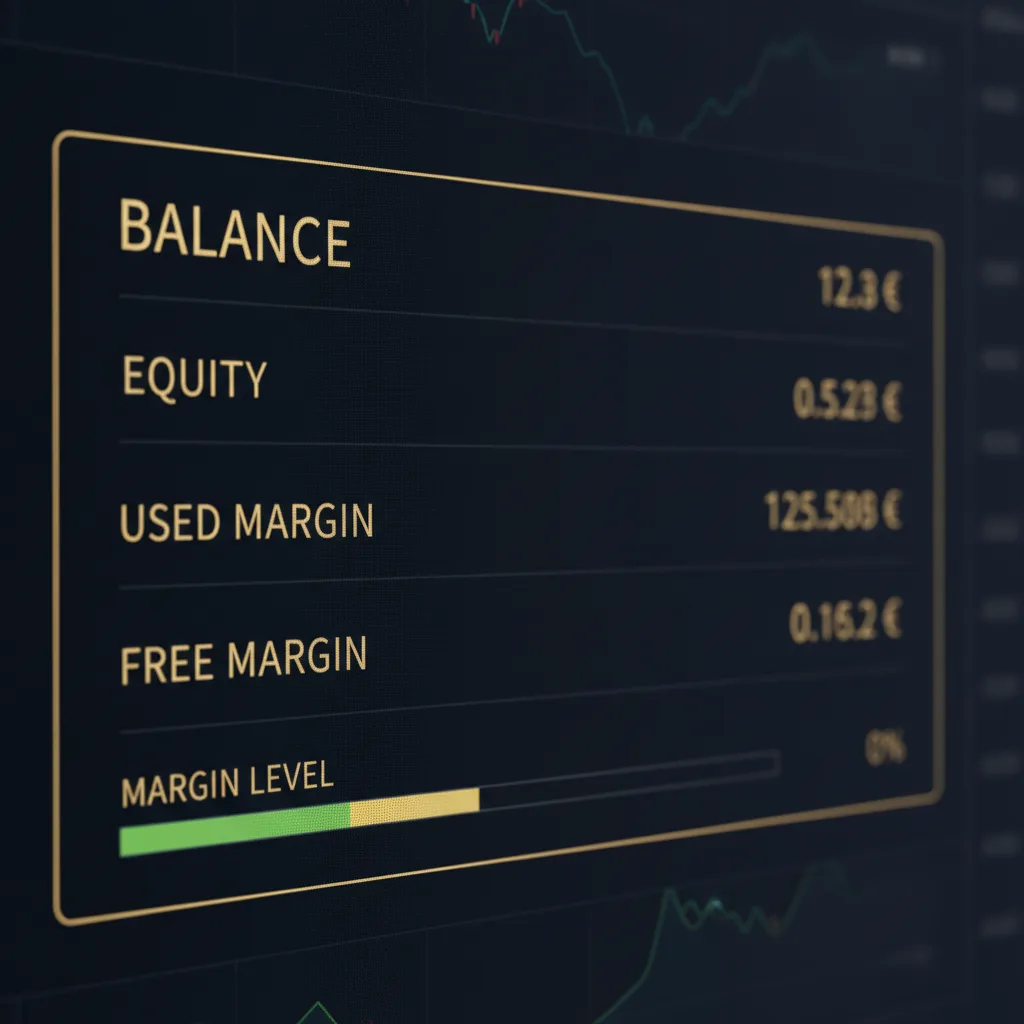
You deposit funds, which act as margin. When you open a position, the broker requires only a fraction of its full value as margin, providing leverage. Your account shows your balance, your equity (balance plus or minus open profit and loss), and your free margin. If losses erode your margin below the required level, you face a margin call or automatic close-out. This is why position sizing and stops are critical on a CFD account.
Key features to understand
A CFD account charges the spread to enter, and usually overnight financing if you hold positions past the close. There is no ownership, so you never take delivery, you simply settle the difference. Regulated brokers cap retail leverage to reduce risk, and they must disclose the share of losing accounts. Always open a CFD account with a broker regulated in your region.
Who can open a CFD account?
CFD accounts are available in many countries through regulated brokers, but they are banned for retail traders in the United States. Where they are allowed, opening one takes minutes online with ID verification. US traders and others who prefer exchange transparency use a regulated futures account instead.
A regulated alternative: a futures account
If CFDs are unavailable where you live or you prefer exchange transparency, a futures account offers leveraged access with centralized pricing and clearing. It also opens the door to funded trading. With Phidias Propfirm, you trade futures with the firm’s capital after an evaluation, keeping up to 100% of the profit, without a large personal deposit at risk.
Take action with Phidias Propfirm
Prefer a regulated, funded account? Phidias was built on a simple idea: we profit when you go LIVE, not when you fail. A static or end of day drawdown with no hidden buffer, news trading on every account, overnight and weekend holding on Premium, a profit split that climbs to 100%, and real live capital through Dorman Trading. Selective rules, never punitive, and payouts that are never refused. Compare options in our best futures prop firms guide, start with an affordable funded account, or read what CFD trading is and whether it is legal.
Frequently Asked Questions
What is a CFD trading account?
A margin account with a CFD broker that lets you trade Contracts for Difference on many markets with leverage, without owning the underlying asset. It tracks your balance, equity and margin in real time.
How does a CFD account work?
You deposit margin, and the broker provides leverage so you control a larger position. Your profit or loss is the price change times your size, and losses that erode your margin can trigger a margin call.
What does a CFD account cost?
You pay the spread to enter, often overnight financing to hold positions, and sometimes commissions on share CFDs. Regulated brokers also cap retail leverage to limit risk.
Can I open a CFD account in the US?
No. CFD accounts are banned for retail traders in the United States. American traders use regulated futures accounts instead for leveraged, exchange-traded access.
Is a CFD account or a futures account better?
Futures accounts offer exchange transparency, US legality, and funded trading through prop firms like Phidias, while CFD accounts offer many markets from one login where they are legal.