Summary: CFD trading is legal and regulated in many countries, including the UK, most of Europe, and Australia, but it is banned for retail traders in the United States, and restricted or limited in several other places. Where it is legal, leverage is usually capped for retail traders to reduce risk. Safe is relative: CFDs are legitimate but risky, and most retail CFD accounts lose money. This guide explains CFD legality by region, the rules where it is allowed, and why US traders and others use regulated futures with Phidias Propfirm instead.
Before trading CFDs, the first question is whether they are even legal where you live. Here is a clear picture of CFD legality and safety around the world.
Where is CFD trading legal?
CFDs are legal and regulated in many major markets. In the UK, Europe and Australia, retail traders can trade CFDs through licensed brokers, though regulators cap leverage to protect them. Many other countries also permit CFDs under local rules. Where they are legal, the key is to use a broker authorized by your local regulator, not an unregulated offshore firm.
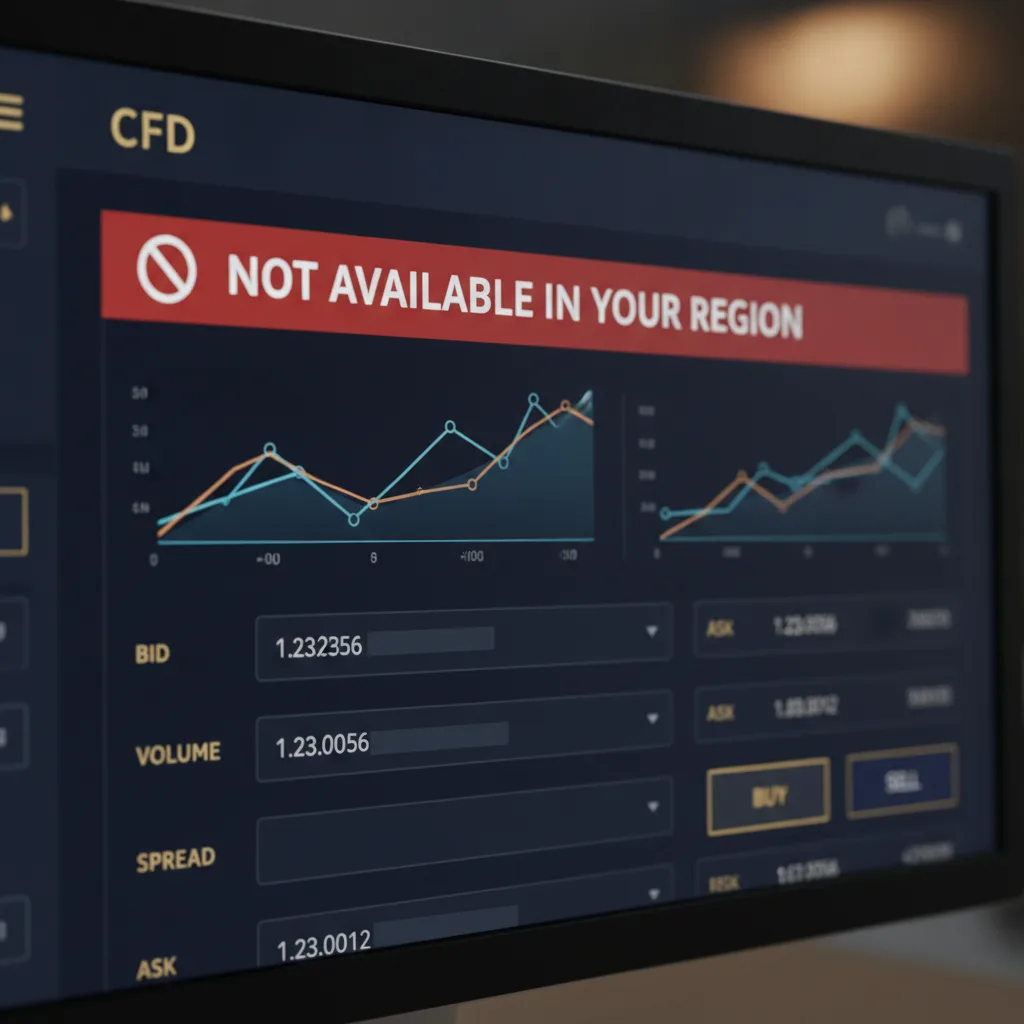
Where is CFD trading banned or restricted?
The most important exception is the United States, where CFDs are banned for retail traders. US regulators do not allow retail CFD trading, which is why American traders use other instruments. Some other countries also restrict or limit CFDs, and rules change over time. Always check the current position of your local regulator before assuming CFDs are available to you.
Why the US bans retail CFDs
US rules require most leveraged derivatives to trade on regulated, centralized exchanges rather than over the counter with a broker. CFDs are over-the-counter contracts, so they do not fit this framework. American traders who want leveraged access to indices, commodities and currencies use regulated futures instead, which trade on exchanges with transparent pricing. This is a key reason futures are so popular in the US.
Is CFD trading safe?
Legal does not mean safe. CFDs are legitimate where regulated, but they are leveraged and risky, and broker disclosures consistently show most retail CFD accounts lose money, often around 70 to 80 percent. You reduce the risk by using a regulated broker, trading small, capping your loss per trade, and never using leverage you do not understand. Safety comes from your risk management, not the instrument.
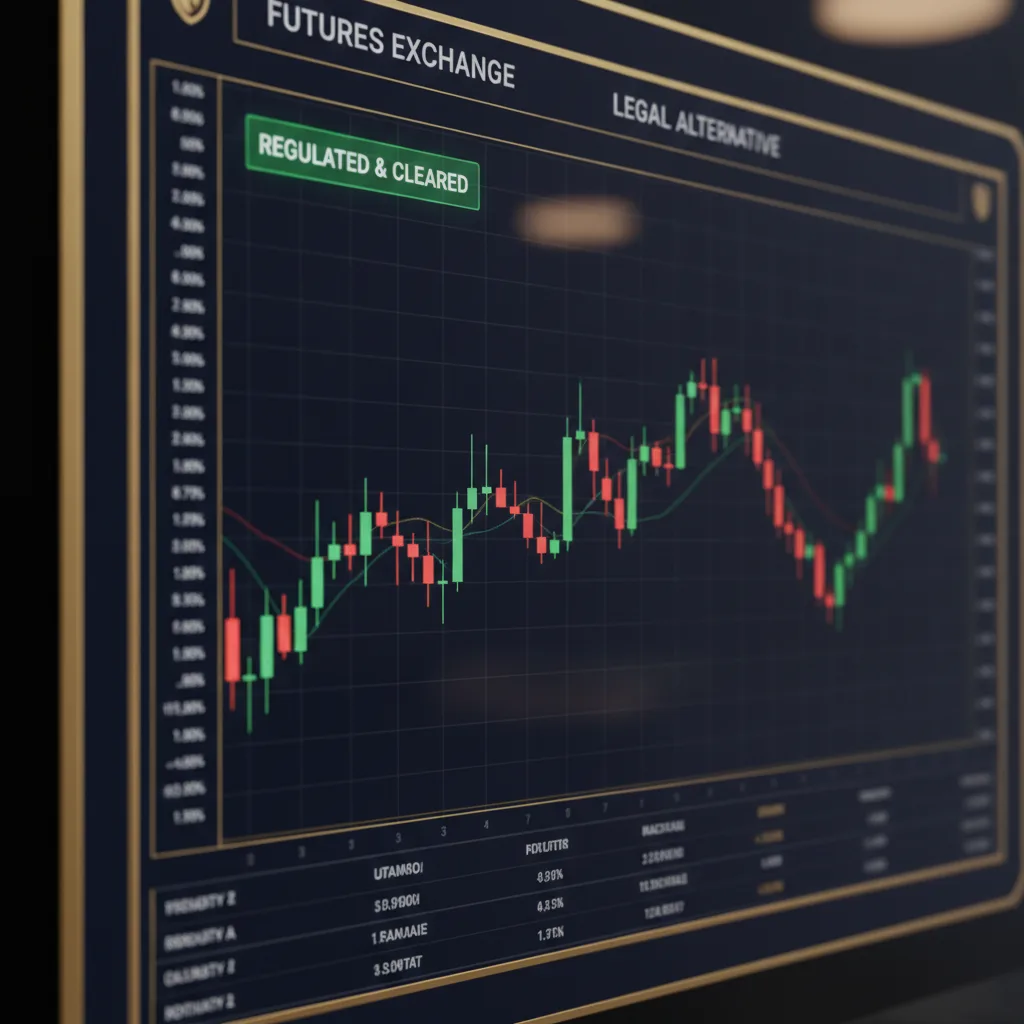
The regulated alternative: futures
Whether CFDs are banned where you live or you simply prefer exchange transparency, regulated futures offer leveraged access with centralized pricing and clearing. They are legal in the US and open the door to funded trading. With Phidias Propfirm, you trade exchange-listed futures with the firm’s capital after an evaluation, keeping up to 100% of the profit.
Take action with Phidias Propfirm
Prefer a regulated, funded route? Phidias was built on a simple idea: we profit when you go LIVE, not when you fail. A static or end of day drawdown with no hidden buffer, news trading on every account, overnight and weekend holding on Premium, a profit split that climbs to 100%, and real live capital through Dorman Trading. Selective rules, never punitive, and payouts that are never refused. Compare options in our best futures prop firms guide, start with an affordable funded account, or read what CFD trading is.
Frequently Asked Questions
Is CFD trading legal?
Yes in many countries, including the UK, Europe and Australia, through regulated brokers with capped leverage. But it is banned for retail traders in the United States and restricted in some other regions.
Is CFD trading legal in the US?
No. CFDs are banned for retail traders in the United States because leveraged derivatives must trade on regulated exchanges. American traders use regulated futures instead.
Is CFD trading safe?
It is legitimate where regulated but risky, and most retail CFD accounts lose money. Reduce risk with a regulated broker, small size, a capped loss per trade, and leverage you understand.
Why are CFDs banned in the US?
US rules require leveraged derivatives to trade on centralized, regulated exchanges. CFDs are over-the-counter broker contracts, so they do not fit, and futures are used instead.
What can I trade instead of CFDs?
Regulated futures offer similar leveraged exposure with exchange transparency, are legal in the US, and enable funded accounts through prop firms like Phidias.