Summary: The best indicators for day trading are a small, complementary set: VWAP for intraday value, moving averages for trend, the RSI or MACD for momentum, and volume for confirmation. No indicator predicts the future, and stacking too many creates conflicting signals. The winning approach is two or three indicators you understand deeply, combined with price action and strict risk control. This guide covers the most useful day trading indicators, how to combine them, and how funded futures traders with Phidias Propfirm apply a simple, tested setup on their accounts.
Search for the best day trading indicators and you will find hundreds of options. The truth is you only need a few, chosen to complement each other. Here are the ones that actually earn their place on a day trader’s chart.
VWAP: the intraday reference line
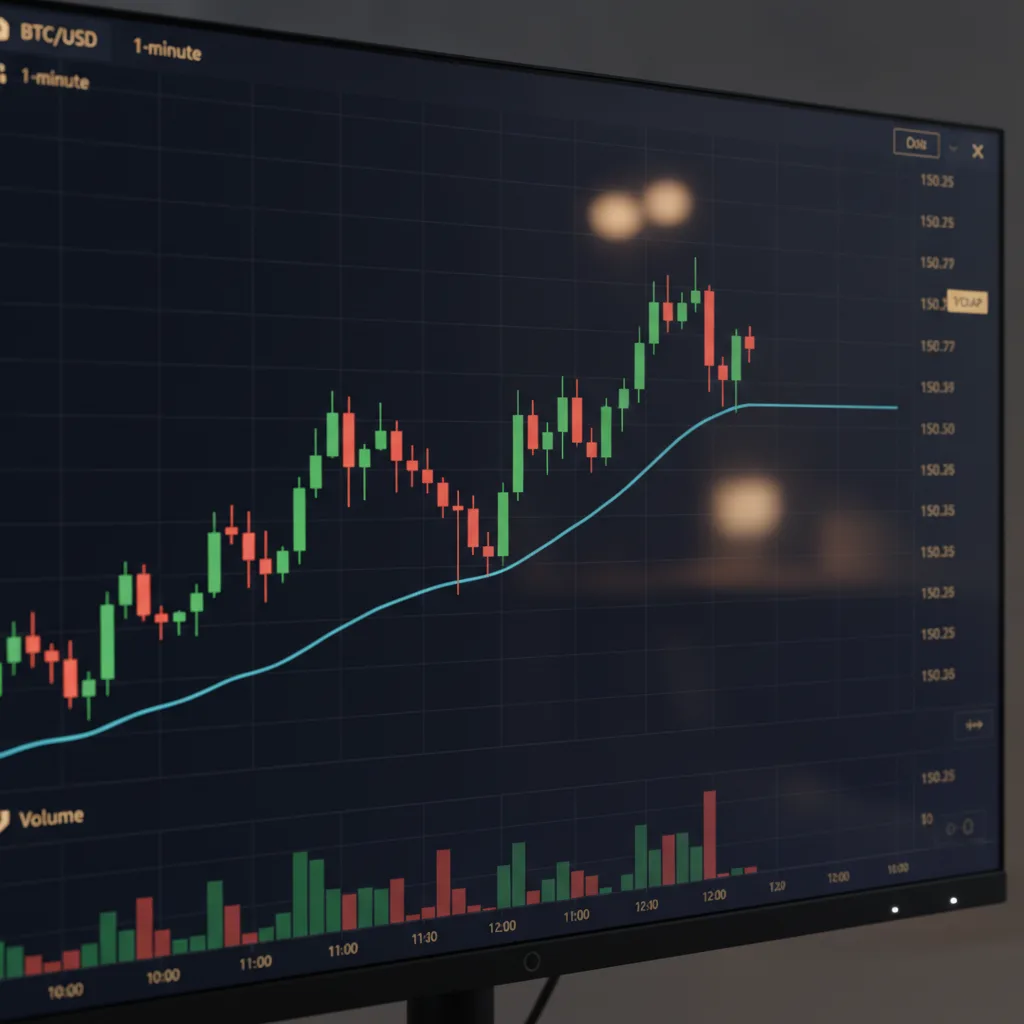
The Volume Weighted Average Price is a favorite among day traders because it shows the average price weighted by volume across the session. Price above VWAP suggests intraday strength, price below suggests weakness, and many traders use it as a dynamic support or resistance and a fair-value reference for entries. It resets each day, which makes it ideal for intraday trading specifically. On futures, check where yours starts: our VWAP trading guide compares session and RTH VWAP, explains anchored VWAP and the standard deviation bands, and shows what 47 sessions of NQ and ES data said about them.
Moving averages: trend at a glance
A couple of moving averages, for example a fast and a slow one, show trend direction and can act as dynamic support and resistance. Day traders use them to stay on the right side of the move and to spot pullback entries. Keep it simple, one or two averages are enough, and let them frame the trend rather than trying to trade every crossover.
RSI and MACD: reading momentum
Momentum tools tell you the speed behind price. The RSI flags overbought and oversold conditions and momentum shifts, while the MACD highlights changes in trend momentum through its moving-average crossovers. Used as confirmation rather than standalone triggers, they help you avoid chasing exhausted moves and time entries in the direction of momentum.
Volume: the confirmation that matters
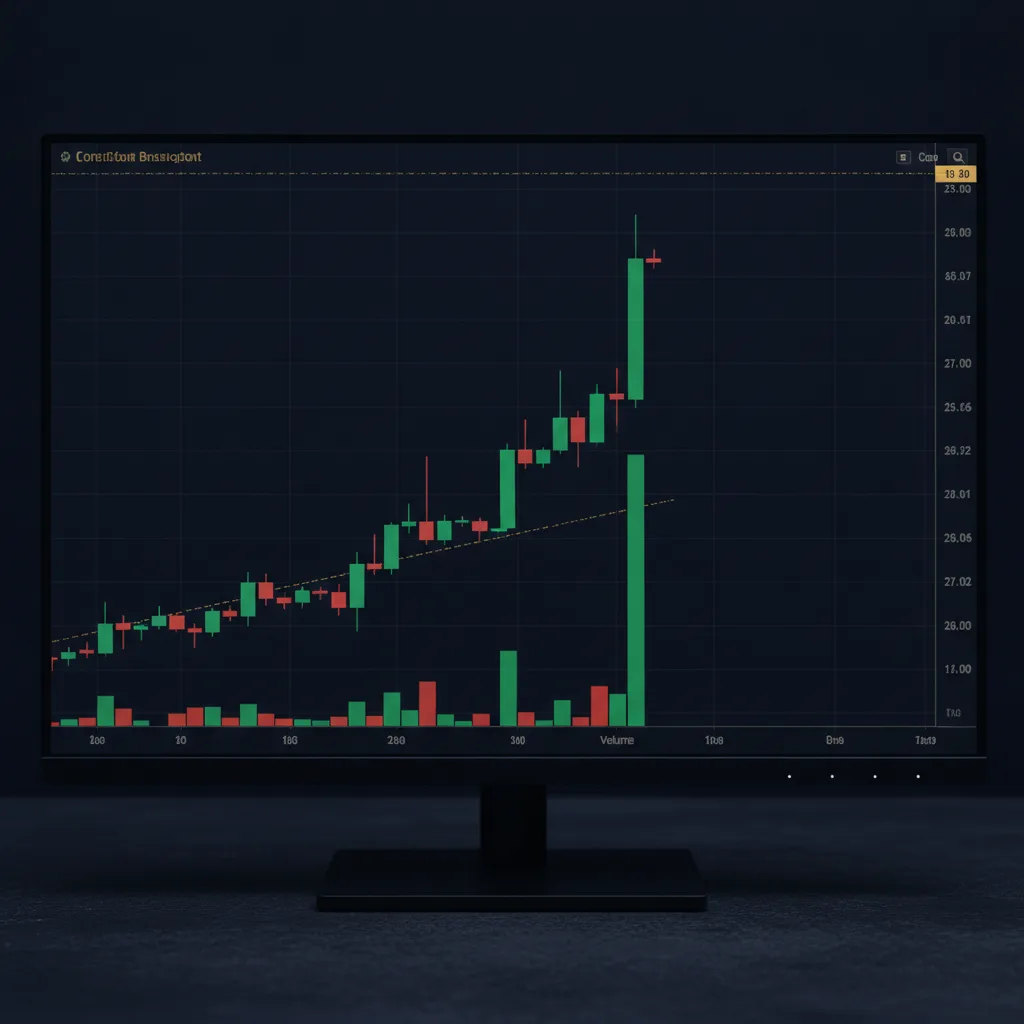
Volume is the most underrated day trading indicator. A breakout on strong volume is far more convincing than one on thin volume, and volume spikes often mark the start or exhaustion of a move. Pairing a price signal with volume confirmation filters out many false breakouts that trap beginners.
How to combine indicators without clutter
The mistake that ruins most charts is stacking indicators until they contradict. Pick one for trend, one for momentum, and use volume and VWAP for context, then let price action lead. Combine them with core levels like support and resistance, covered in our support and resistance indicator guide. A simple, tested combination you follow consistently beats a cluttered screen every time.
Indicators set up trades, risk control keeps you alive
Even the best indicator combination loses without risk management. Indicators help you find and time trades; position sizing, stops and a daily loss limit decide whether you survive. This is why funded day traders pair a simple indicator setup with strict rules on risk per trade.
Take action with Phidias Propfirm
Have a tested indicator setup? Apply it to funded capital. Phidias was built on a simple idea: we profit when you go LIVE, not when you fail. A static or end of day drawdown with no hidden buffer, news trading on every account, overnight and weekend holding on Premium, a profit split that climbs to 100%, and a first payout that converts Express to Live accounts to LIVE. Selective rules, never punitive, and 90% of payouts processed in under 30 minutes. Compare options in our best futures prop firms guide, start with an affordable funded account, or read what indicators are.
Frequently Asked Questions
What are the best indicators for day trading?
A small complementary set: VWAP for intraday value, moving averages for trend, RSI or MACD for momentum, and volume for confirmation. Two or three used well beat many stacked together.
What is the most accurate day trading indicator?
No indicator is accurate on its own. VWAP and volume are highly useful for intraday context, but accuracy comes from combining a couple of tools with price action and strict risk control.
How many indicators should a day trader use?
Two or three you understand deeply. More indicators create conflicting signals and analysis paralysis. Use one for trend, one for momentum, and volume or VWAP for context.
Is VWAP good for day trading?
Yes. VWAP shows the volume-weighted average price for the session and acts as a dynamic support or resistance and fair-value reference, which is why day traders rely on it heavily.
Do indicators work for day trading futures?
Yes, the same indicators apply to futures, and with a funded account through a firm like Phidias you can trade a tested indicator setup on a funded account, and on Express to Live your first payout converts it to LIVE.