Summary: You make money trading crypto by buying and selling coins for a profit, but its extreme volatility means the odds punish gamblers and reward the disciplined. Realistic approaches include spot trading major coins, dollar-cost averaging, and swing trading volatility with tight risk, while high-leverage crypto products cause brutal liquidations. Most retail traders lose by over-leveraging and chasing hype. This guide covers the honest ways to make money in crypto, the traps to avoid, and how traders who want leverage with clear rules use regulated futures with Phidias Propfirm.
Crypto can produce fast gains and equally fast losses. Making money in it consistently is less about predicting the next pump and more about managing volatility. Here is the realistic breakdown.
How crypto trading makes money
The core is simple: buy a coin and sell it higher, or short it and buy back lower on platforms that allow it. Profit comes from price moves, which in crypto are large and frequent. That volatility is the opportunity, but it is also why position sizing and risk control matter more here than in almost any other market. Small size and a plan beat big bets and hope.
Spot trading major coins
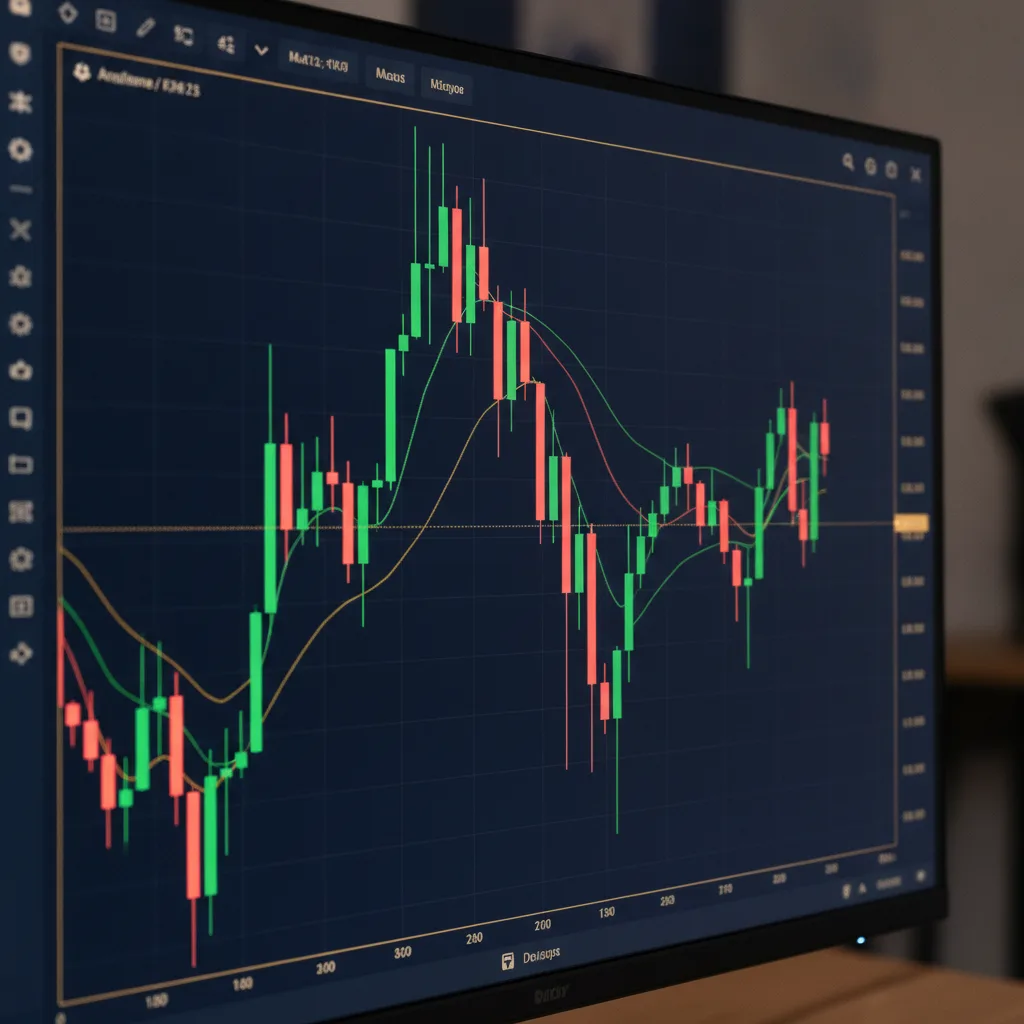
The most straightforward route is spot trading liquid majors like Bitcoin and Ethereum, where you own the coin and profit from price appreciation. It avoids the liquidation risk of leverage and is the sensible starting point. Keep positions sized so a sharp drop does not wreck your account, because double-digit daily moves are normal in crypto.

Dollar-cost averaging and swing trading
Two disciplined approaches stand out. Dollar-cost averaging means buying a fixed amount on a schedule regardless of price, smoothing out volatility over time. Swing trading aims to capture multi-day moves with defined entries, stops and targets. Both beat impulsive trading because they replace emotion with rules, which is exactly what a volatile market punishes you for lacking.
The leverage trap
High-leverage crypto products promise fast riches and deliver fast liquidations. A modest adverse move can wipe a leveraged position entirely. Beginners are far better off trading small spot positions. If you want leverage, regulated futures with defined risk are a more controlled alternative than 50x or 100x crypto contracts, which are closer to gambling than trading.
Why most crypto traders lose
The reasons repeat: over-leverage, buying tops in a frenzy, panic-selling bottoms, and chasing tiny tokens on hype. Add scams and hacks, and the failure rate is high. Survival comes from trading only what you can afford to lose, using major coins, sizing small, and following a written plan instead of social media.
A regulated, funded alternative
If you like trading momentum but want clearer rules and access to capital, regulated futures are worth considering. With Phidias Propfirm, you trade the firm’s futures capital after a clear evaluation, keeping up to 100% of the profit, with published rules and no risk of a leveraged spot liquidation wiping your personal account.
Take action with Phidias Propfirm
Want momentum trading with structure and funding? Phidias was built on a simple idea: we profit when you go LIVE, not when you fail. A static or end of day drawdown with no hidden buffer, news trading on every account, overnight and weekend holding on Premium, a profit split that climbs to 100%, and real live capital through Dorman Trading. Selective rules, never punitive, and payouts that are never refused. Compare options in our best futures prop firms guide, start with an affordable funded account, or read how to start trading crypto.
Frequently Asked Questions
Can you make money trading crypto?
Yes, but it is hard and most retail traders lose. The realistic routes are spot trading majors, dollar-cost averaging, and disciplined swing trading with tight risk, not high-leverage gambling.
What is the best way to make money in crypto?
For most, spot trading or accumulating major coins with dollar-cost averaging and small position sizes. Consistency and risk control beat chasing pumps and tiny tokens.
Is crypto trading profitable for beginners?
It can be, but volatility and scams make it risky. Beginners should trade only money they can afford to lose, stick to major coins, avoid high leverage, and follow a plan.
Should I use leverage to trade crypto?
Generally no. High-leverage crypto liquidations are severe. Small spot positions or regulated futures with defined risk are far safer than 50x or 100x contracts.
Can I trade crypto with futures?
Yes. Crypto and index futures trade on regulated exchanges with transparent pricing, and prop firms like Phidias let you trade them with funded capital after an evaluation.